
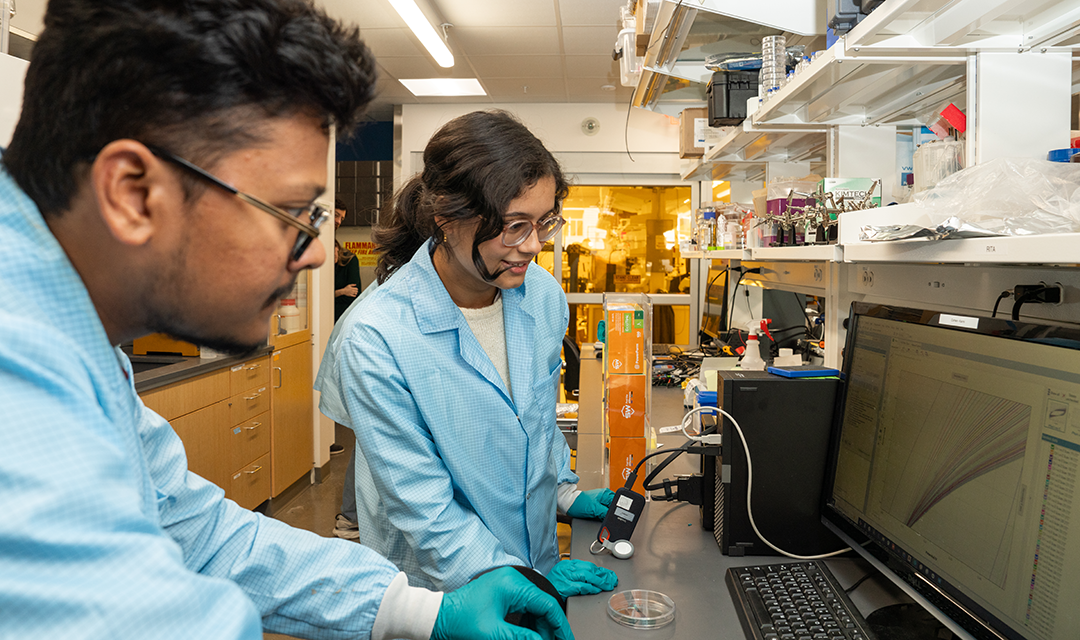
Where engineering meets healthcare
The future of healthcare innovation is ready to be discovered at Carnegie Mellon’s Biomedical Engineering program. Designed for ambitious students eager to tackle complex medical challenges, our interdisciplinary environment fosters collaboration across engineering, medicine, computer science, and the life sciences. Whether embarking on your undergraduate journey or advancing through graduate research, you’ll gain the skills and insights to make a meaningful impact in the healthcare industry.
Our students don’t just study existing technologies; they help create the next generation of solutions that advance healthcare.
Undergraduate programs
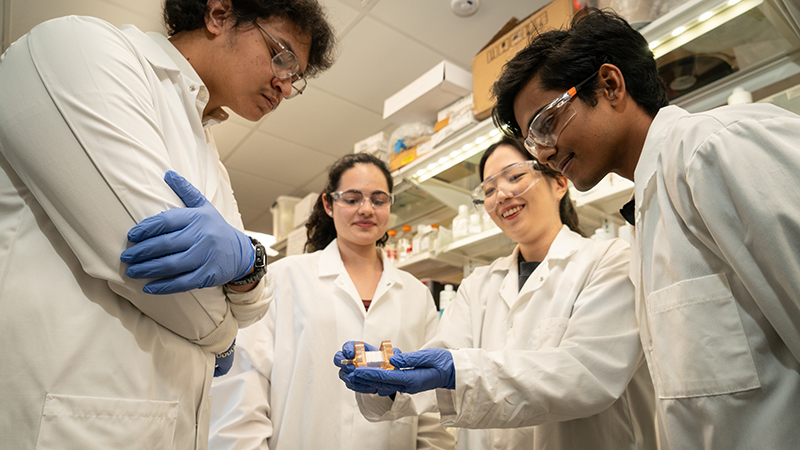
Develop a solid foundation in engineering while also exploring the fields of medicine and biology. Carnegie Mellon's undergraduate biomedical engineering program emphasizes quantitative problem-solving, interdisciplinary learning, and practical, hands-on experience to prepare you for careers in industry, healthcare, entrepreneurship, or graduate studies.
Graduate programs
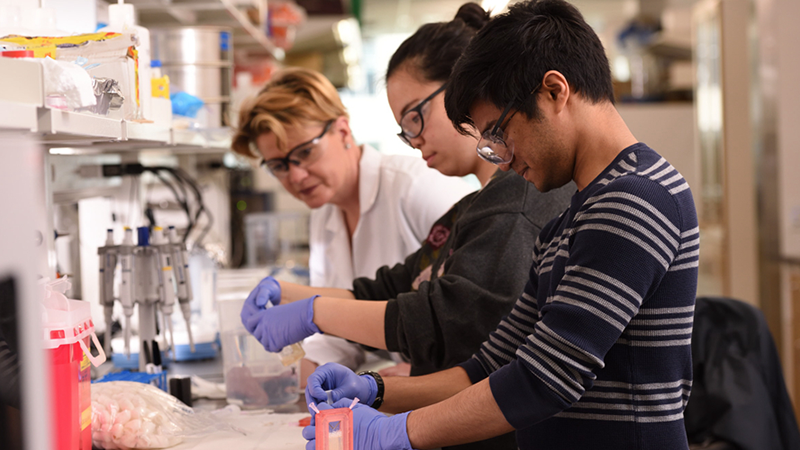
Elevate your career with cutting-edge coursework, pioneering research opportunities, and collaboration with world-class faculty. Carnegie Mellon's Biomedical Engineering master's and Ph.D. programs empower students to develop innovative technologies and breakthroughs that will define the future of healthcare.
Why study Biomedical Engineering at Carnegie Mellon?
An interdisciplinary education
Biomedical engineering at Carnegie Mellon brings together expertise from engineering, computer science, robotics, neuroscience, biology, and medicine, giving students opportunities to work across disciplines from day one.
Research with real-world impact
Students at every level engage in research that addresses meaningful challenges in human health—from medical devices and imaging to computational biology, neural engineering, and regenerative medicine.
Learn from leaders in the field
Our faculty span multiple departments and colleges, creating a collaborative learning environment where students benefit from diverse perspectives and expertise.
A community of innovators
With a small department and strong faculty mentorship, students become part of a close-knit community while gaining access to Carnegie Mellon’s extensive resources, research centers, and partnerships, as well as the broader Pittsburgh biomedical ecosystem.