
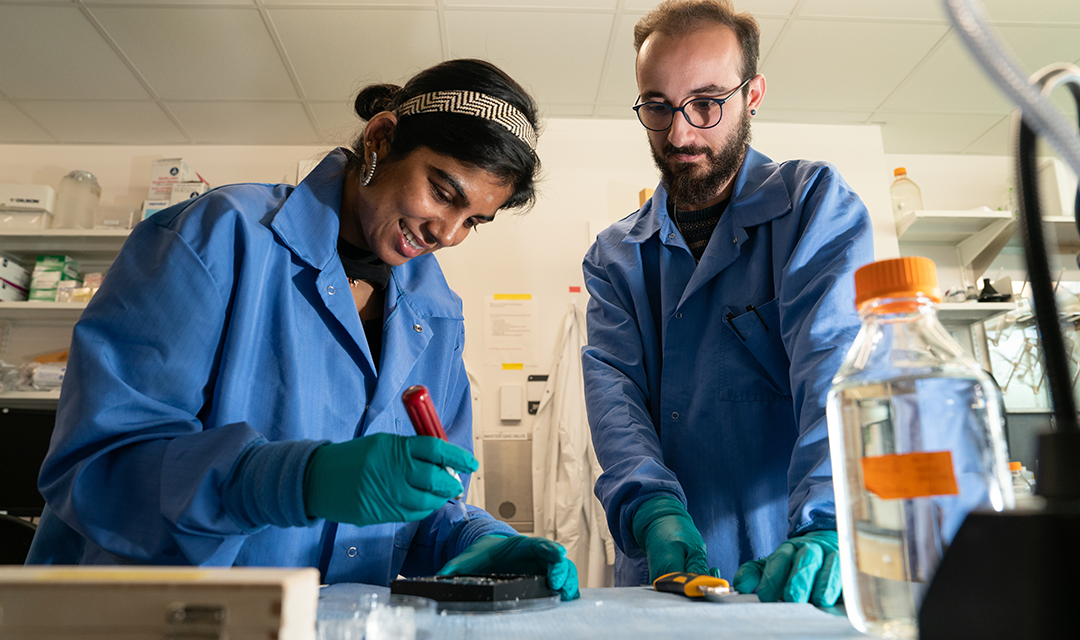
Biomedical engineering involves the application of engineering principles, practices, and technologies to the fields of medicine and biology with the goal of improving human health. At Carnegie Mellon University’s Department of Biomedical Engineering, engineering expertise merges with interdisciplinary collaboration to address complex biomedical challenges and train future innovators. Through partnerships across the university and with world-class medical institutions, the department focuses on translating deep technical knowledge in core engineering disciplines into practical applications in the clinical setting.
Department of Biomedical Engineering fact sheet
The CMU Biomedical Engineering difference
You don’t want to follow the pack. You want to lead it.
At Carnegie Mellon University, you’ll do more than prepare for the future—you’ll help define it.
CMU is where you will:
- Shape the future of biomedical engineering
- Develop engineering solutions that transform medicine and healthcare
- Drive the next generation of biomedical innovation
Our teams don’t just imagine what’s next; they build it.
That spirit of innovation brings together exceptional undergraduate and graduate students, postdocs, research staff, and world-class faculty in an environment where collaboration sparks discovery. Together, they develop breakthrough biomedical technologies that improve lives, advance healthcare, and redefine what’s possible.
CMU isn’t just preparing the next generation of biomedical engineers—we’re empowering them to forge the future of the field.
Engineering without boundaries
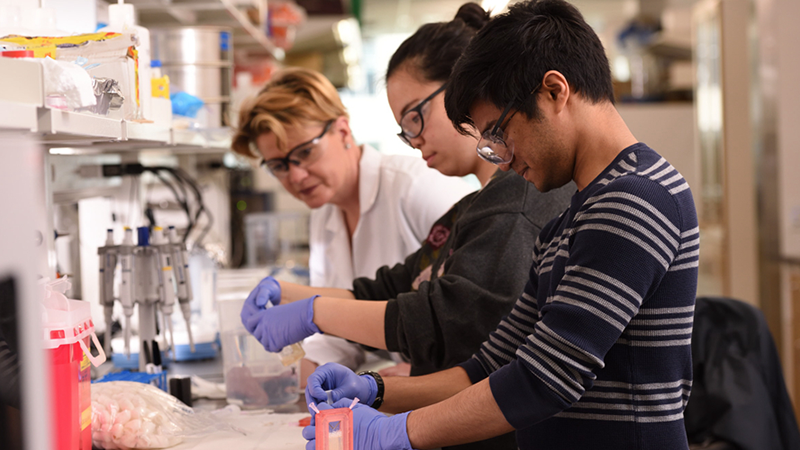
Carnegie Mellon University’s Biomedical Engineering program stands apart with its unique “additional major” approach for undergraduates. BME students pair their biomedical engineering education with a traditional engineering discipline—chemical, civil and environmental, electrical and computer, materials science, or mechanical engineering—giving them both the depth and breadth needed to identify complex medical challenges and develop meaningful technical solutions. This approach also leads to a broader range of employment opportunities after graduation.
Collaboration fuels discovery
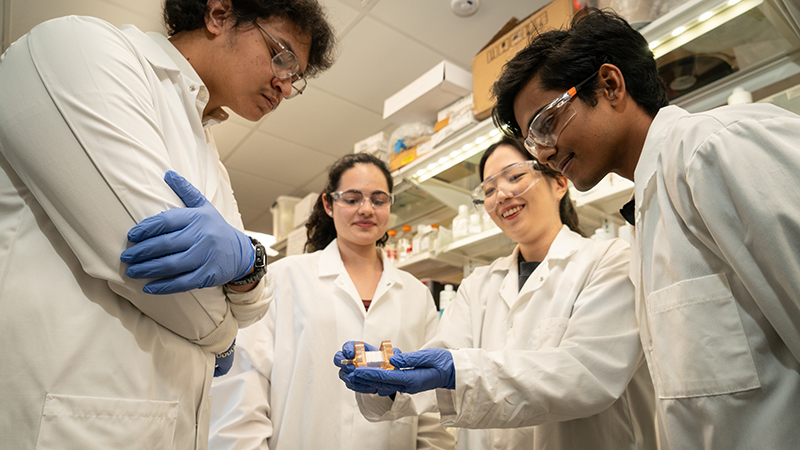
The BME graduate program thrives on interdisciplinary collaboration that extends far beyond traditional departmental boundaries. With faculty cross-appointed in multiple departments from all the engineering disciplines to physics, biology, psychology, robotics, computer science, and machine learning, students learn and conduct research alongside leaders across the university. This collaborative environment creates an unmatched training experience where diverse expertise comes together to advance biomedical innovation.
Research that redefines discovery
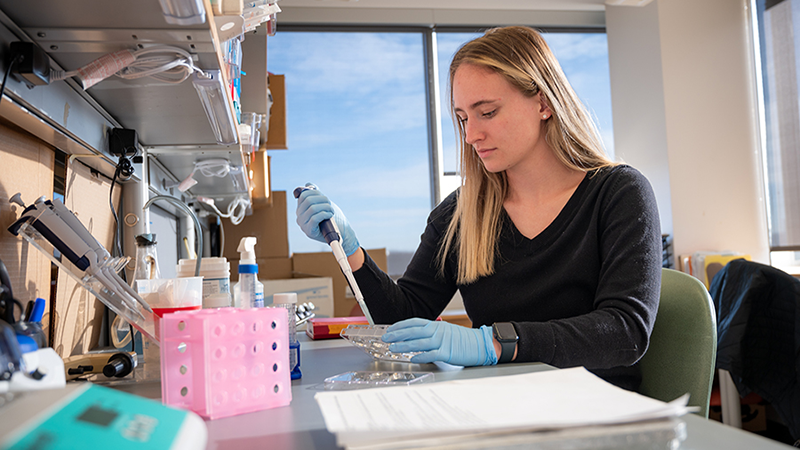
CMU BME faculty are internationally recognized researchers driving breakthroughs across tissue and organ engineering, neuroengineering, cardiopulmonary engineering, biomaterials and nanotechnology, medical devices and robotics, biomedical computation, and AI. By combining Carnegie Mellon’s strengths in technology and engineering with emerging frontiers in biomedical research, the program continues to shape the future of healthcare.
Innovators ready to lead
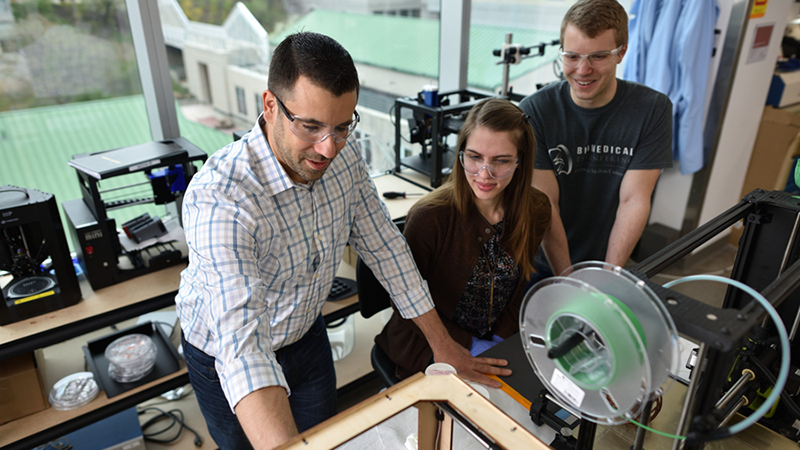
CMU BME students are trained to become leaders, creators, and innovators who do more than follow existing paths; they develop new ones. Through rigorous education, transformative research, and the opportunity to learn alongside exceptional peers and faculty, students are challenged to move from asking important questions to engineering solutions that address real-world problems.
Prepared for what’s next
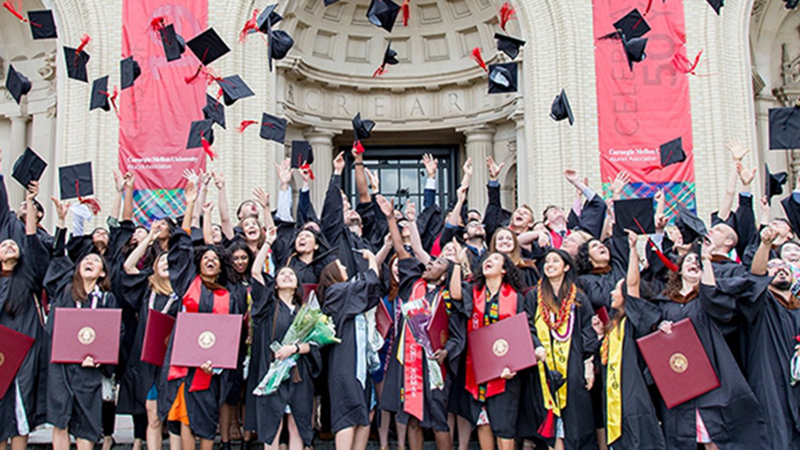
Whether pursuing graduate school, medical school, academic careers, clinical practice, or industry opportunities, CMU BME graduates are equipped with the technical foundation and innovative mindset needed to succeed. The program’s combination of biomedical expertise and rigorous engineering training produces graduates who are prepared to make an immediate impact and are highly valued by employers.
Investing in the future of healthcare
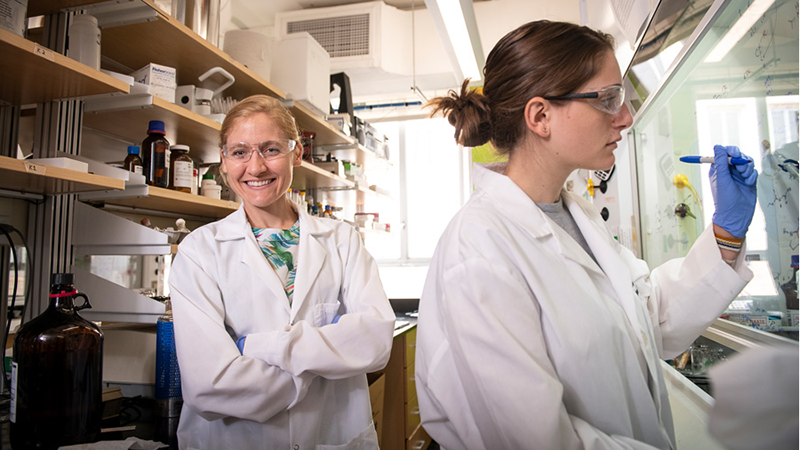
Support for BME at Carnegie Mellon is an investment in the people who will define the next generation of healthcare innovation. By bringing together engineering, technology, and biology, the program is not focused on incremental improvements; it is creating revolutionary solutions that can transform medicine and improve lives.