
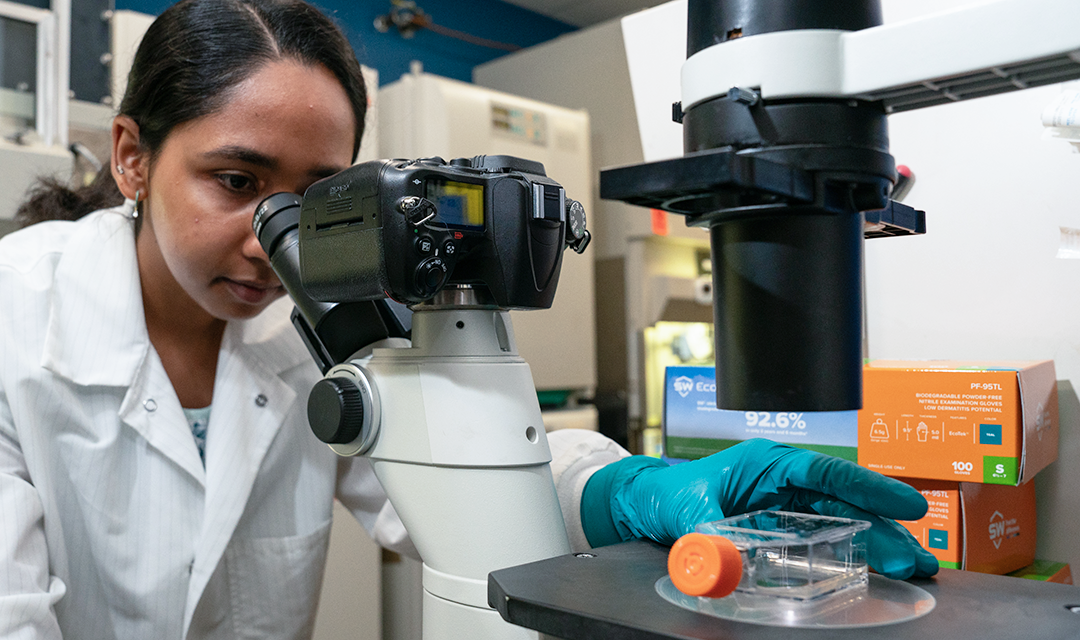
At Carnegie Mellon University, undergraduate research provides students with the opportunity to apply their classroom knowledge to cutting-edge biomedical engineering projects while working alongside faculty mentors and researchers. Through hands-on experiences, students develop technical skills, explore areas of interest, and contribute to innovations that address real-world challenges in healthcare and biomedical technology. Students are encouraged to pursue research driven by curiosity and creativity, with the first step being the exploration of faculty research areas and then connecting with potential mentors.
Biomedical engineering undergraduate research opportunities are available during the academic year and summer. Because research requires significant time and commitment, students typically begin after their freshman year, once they have built a strong academic foundation. Students may participate as paid research assistants when funding is available or earn course units through the Biomedical Engineering Research Project (42-xxx) or CIT Honors Thesis (39-500), if eligible. Up to nine units of research may be applied as a restricted elective toward the Biomedical Engineering additional major, and students must identify a faculty mentor before registering for undergraduate research.
Tips for current students interested in pursuing research
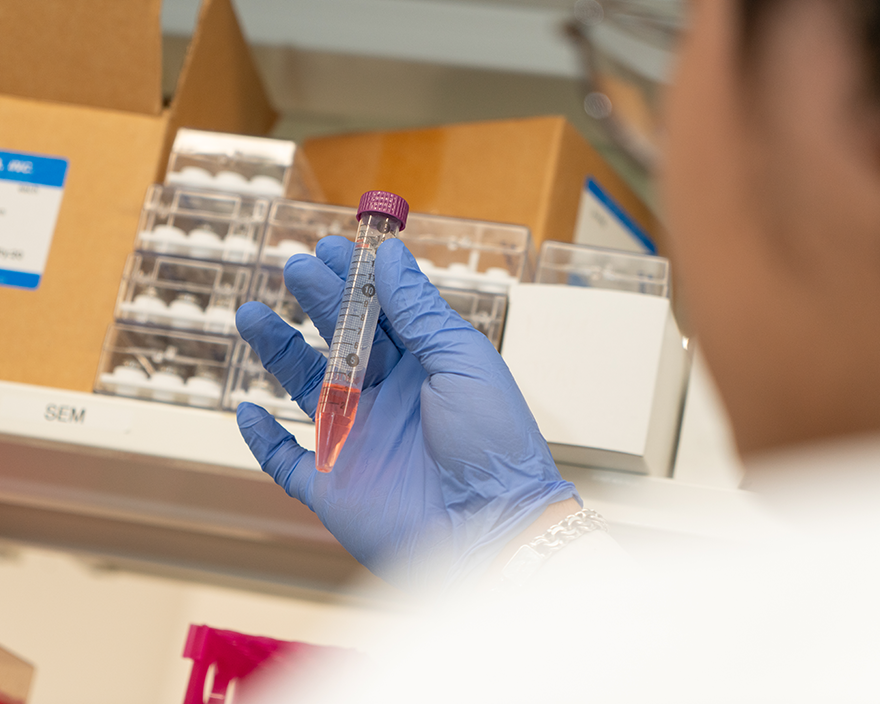
- Learn about the identified faculty members using the links on the faculty directory. Develop an understanding of the ongoing research projects.
- Send an email to professor(s) of interest. The message should describe coursework, relevant skills, and research experiences. Also indicate the number of available hours per week and their distribution.
- If the professor declines the application, ask about any preparations needed for future consideration. Note that the qualifications vary among the professors and projects. In addition, opportunities may be created after a professor meets a strong student.
- Arrange a meeting if the professor appears interested. Discuss the expectations and consider shadowing a graduate student or attending a group meeting. Determine if the lab environment is compatible with personal preferences, keeping in mind that personality match can be as important as research topics.
Summer research opportunities
Summer Undergraduate Research Fellowship Program
The Summer Undergraduate Research Fellowship (SURF) program supports Carnegie Mellon undergraduates in gaining hands-on research experience through 8–10 weeks of funded, full-time summer research with faculty mentors across disciplines, providing an opportunity to deepen technical skills and explore areas of academic interest.
Pittsburgh Heart Summer Research Program
The Pittsburgh Heart Summer Research Program provides undergraduate students with an immersive cardiovascular research experience, combining mentorship in CMU and UPMC laboratories, clinical exposure, and professional development opportunities in biomedical engineering.
Learn more about the Pittsburgh Heart Summer Research Program
Biomedical Engineering Undergraduate Travel Assistance Program
The Biomedical Engineering Undergraduate Travel Assistance Program supports the professional development of Biomedical Engineering and Biomedical Technology additional major students by providing funding for travel related to research presentations and other academic activities.
Eligible students must be currently enrolled in the Biomedical Engineering or Biomedical Technology additional major, and travel activities must be directly related to biomedical engineering or biomedical technology research and involve a significant academic achievement, such as presenting research at a major conference or receiving a competitive award.
Students who conduct research with CMU Biomedical Engineering faculty, including adjunct faculty, may be eligible for full travel support. Students conducting research with non-CMU faculty who are not affiliated with the department may be eligible for partial support, while students completing research with non-CMU faculty through an approved exchange program may be eligible for full support.
Process to apply for the travel assistance program
The Department of Biomedical Engineering provides supplemental support to undergraduate students to travel to conferences for presentations or to accept awards related to biomedical engineering research.
The Department of Biomedical Engineering provides supplemental support to undergraduate students to travel to conferences for presentations or to accept awards related to biomedical engineering research.
This support is contingent on students first applying for other available funding and is used only after all other sources are exhausted. Applications are reviewed by the BME Undergraduate or Graduate Affairs Committee and are awarded based on merit.
- Apply for other available funding sources, including:
- Discuss with your primary major coordinator and/or research advisor
- Check the Office of Undergraduate Research and Scholar Development (OURSD) - Presentation Awards
- Check the College of Engineering Travel Grant Program
- Complete the BME travel award application and submit it to the Undergraduate Academic Advisor, Kristin Kropf, who will forward it to the Undergraduate Affairs Committee for consideration.
- The Undergraduate Affairs Committee reviews the application and makes a decision via email or during a meeting. The applicant will be notified of the decision via email.
- The Undergraduate Academic Advisor informs the applicant and the Director of Finance and Operations of the decision (no action required by the applicant).
- The awardee books travel and submits expenses through the regular travel reimbursement process.